


Future-Proofing Commercial Heating Against the F-Gas Phase-Down
Natural Refrigerant First: Why ICG Leads with R290
The HVAC industry is facing a regulatory inflection point. The European F-Gas Regulation is progressively phasing down the use of high-GWP synthetic refrigerants, and the UK's post-Brexit equivalent is following the same trajectory. For anyone specifying or installing commercial heating equipment today, the choice of refrigerant is no longer just a technical decision. It is a strategic one.
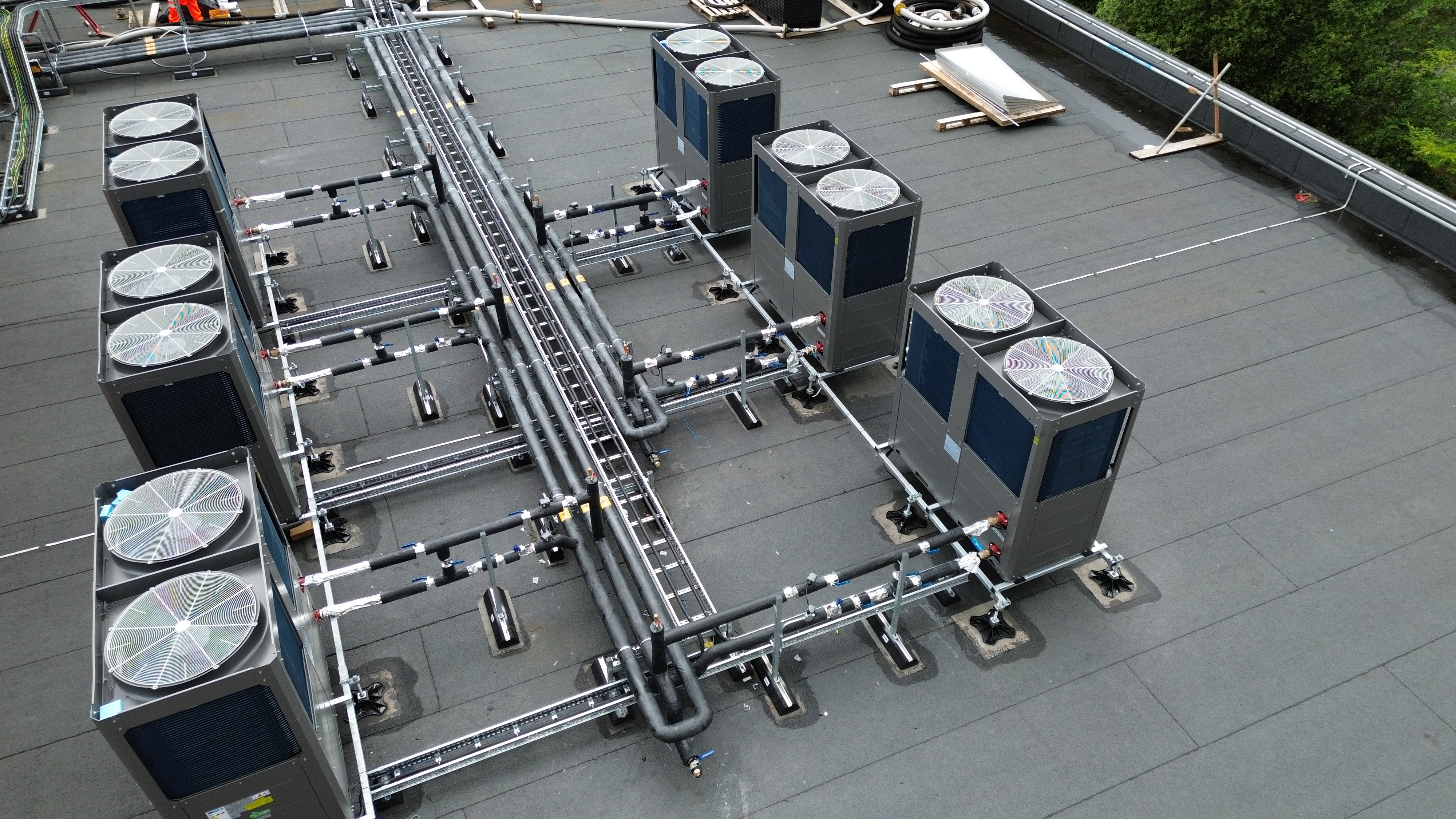
At ICG Heat Pumps, we made our position clear from the start. Our first recommendation will always be to use equipment that runs on natural refrigerants, primarily R290 (propane). We call this our Natural Refrigerant First approach, and it is the foundation of every system we design and supply.


Uncompromising Safety & Compliance
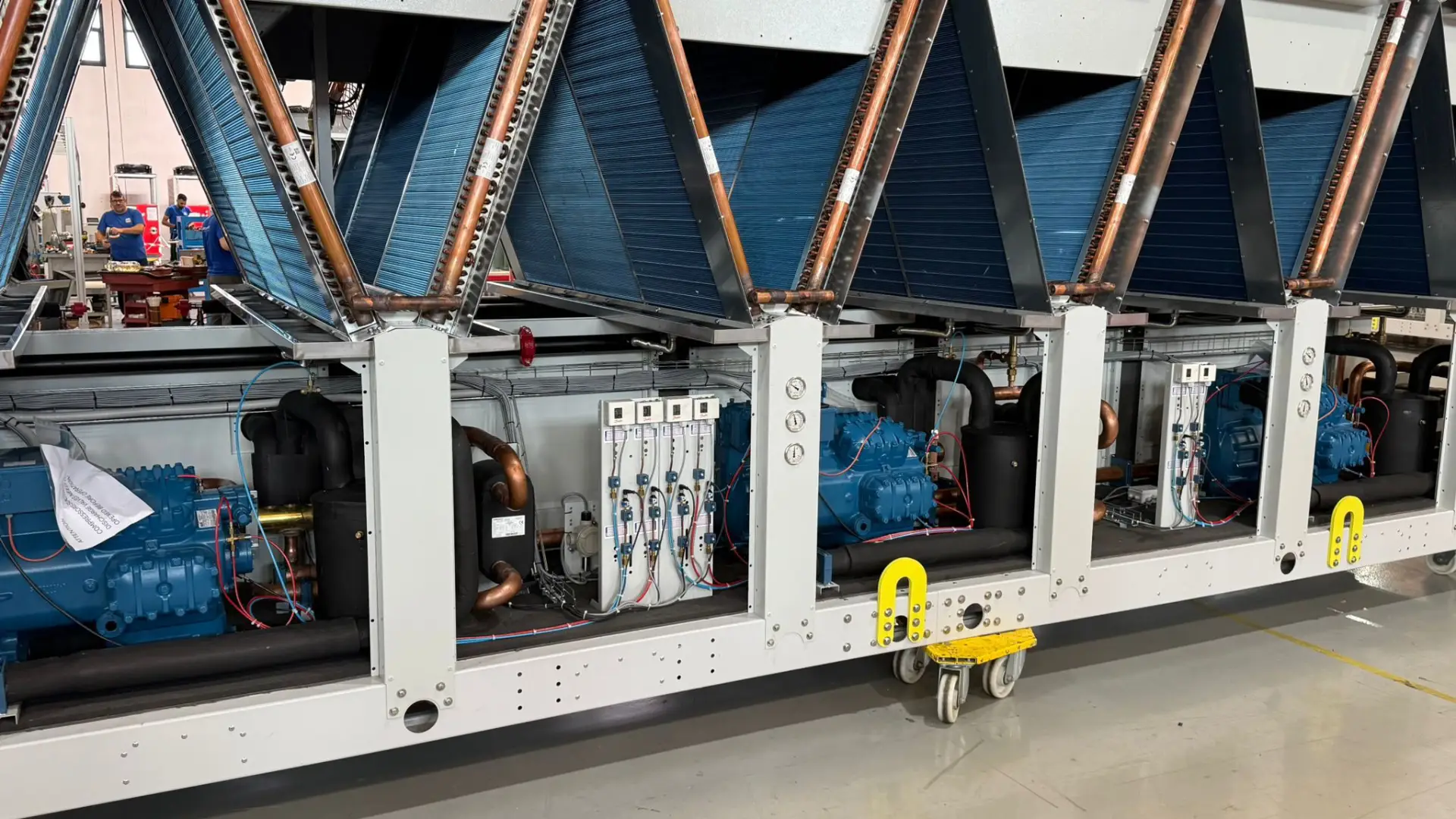
Designing systems with R290 natural refrigerants requires rigorous adherence to safety standards. Our engineers are fully F-Gas certified and hold advanced City & Guilds (6187-316) qualifications in Hydrocarbon RAC systems. Furthermore, we are fully trained in HSE DSEAR (Dangerous Substances and Explosive Atmospheres Regulations) compliance, ensuring every natural refrigerant system we specify is as safe as it is efficient.
What Is R290 and Why Does It Matter?
R290 is propane, a naturally occurring hydrocarbon. As a refrigerant, it has a Global Warming Potential (GWP) of just 0.02. To put that in context, R32, the most common "lower-GWP" synthetic refrigerant, has a GWP of 675. The older R410A, still widely installed, has a GWP of 2,088. R290 is not a marginal improvement. It is a fundamentally different category.
Beyond its environmental credentials, R290 has excellent thermodynamic properties. It operates efficiently across a wide range of ambient temperatures and delivers high COPs even at elevated flow temperatures, which is precisely what UK commercial retrofit applications require.
Beyond its environmental credentials, R290 has excellent thermodynamic properties. It operates efficiently across a wide range of ambient temperatures and delivers high COPs even at elevated flow temperatures, which is precisely what UK commercial retrofit applications require.
The F-Gas Regulation: What You Need to Know
The EU F-Gas Regulation sets a phasedown schedule that progressively reduces the total quantity of high-GWP refrigerants available on the European market. The UK has adopted a parallel framework. For building owners, consultants and contractors, the practical implications are significant.
Equipment using high-GWP refrigerants will become progressively harder and more expensive to service as supply tightens. Buildings that install synthetic refrigerant systems today face the risk of stranded assets, equipment that works mechanically but cannot be legally recharged when it develops a leak. By specifying R290 now, you eliminate that risk entirely. Your system's refrigerant will never be subject to a phasedown, a quota restriction or an availability crisis.
Equipment using high-GWP refrigerants will become progressively harder and more expensive to service as supply tightens. Buildings that install synthetic refrigerant systems today face the risk of stranded assets, equipment that works mechanically but cannot be legally recharged when it develops a leak. By specifying R290 now, you eliminate that risk entirely. Your system's refrigerant will never be subject to a phasedown, a quota restriction or an availability crisis.
R290 Versus Synthetic Refrigerants: A Practical Comparison
| Property | R290 (Propane) | R32 | R410A |
|---|---|---|---|
| GWP | 0.02 | 675 | 2,088 |
| F-Gas Risk | None | Subject to phasedown | Subject to phasedown |
| Max Flow Temp | Up to 85°C | Up to 65°C typical | Up to 55°C typical |
| Retrofit Suitability | Excellent | Moderate | Poor |
| Future Availability | Unlimited | Quota restricted | Quota restricted |
Why "First" and Not "Only"?
We are pragmatic, not dogmatic. There are applications where site conditons make using natural refrigerants more challenging, require more safety measures and so are less commercially attractive. In these scenario's we will offer synthetic (HFC/HFO) refrigernat solutions.
If a natural refrigernat solution isn't suitable, we offer solutions with low GWP syntheitc refrigerants such as R32 (GWP = 675) and R513a (GWP = 631)
If a natural refrigernat solution isn't suitable, we offer solutions with low GWP syntheitc refrigerants such as R32 (GWP = 675) and R513a (GWP = 631)
What This Means for Your Project
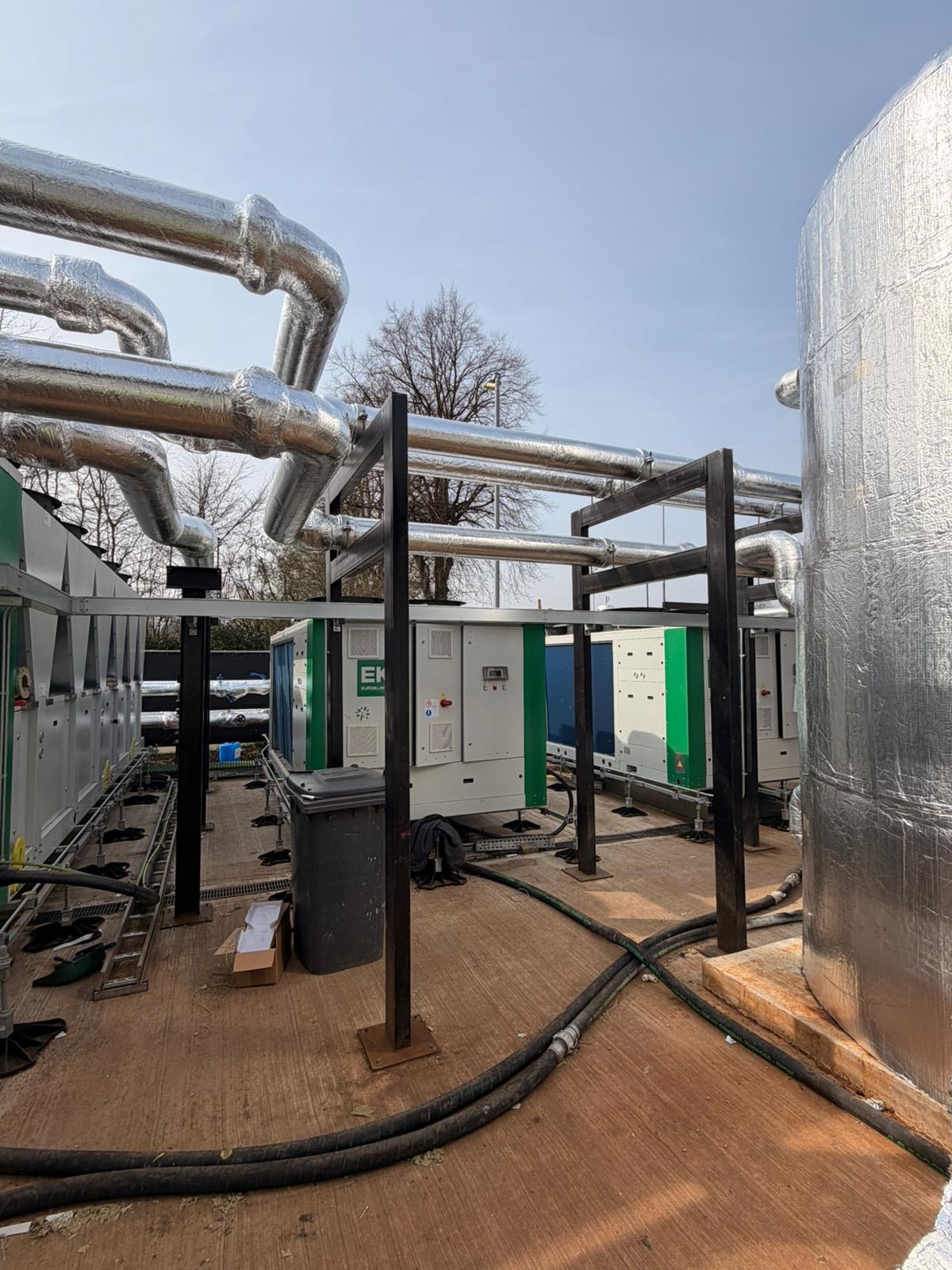
If you are a consultant specifying a commercial heat pump system, choosing R290 means you are protecting your client against future refrigerant availability risk, maximising system efficiency at elevated flow temperatures, aligning with net-zero and ESG reporting frameworks, and selecting a technology with a 20-year European track record through our partner Euroklimat.
If you are a building owner or estates manager, choosing R290 means lower long-term servicing risk, a system that will not become a stranded asset, and a clear sustainability story for your stakeholders.
If you are a building owner or estates manager, choosing R290 means lower long-term servicing risk, a system that will not become a stranded asset, and a clear sustainability story for your stakeholders.
Overview
Take the Next Step
Ready to Discuss Your Project?
Contact our engineering team to request a technical consultation, a compliance pack or a system design review.

Commissioning To Fit Your Time Scales
Rapid On-Site Response
Remote Monitoring