


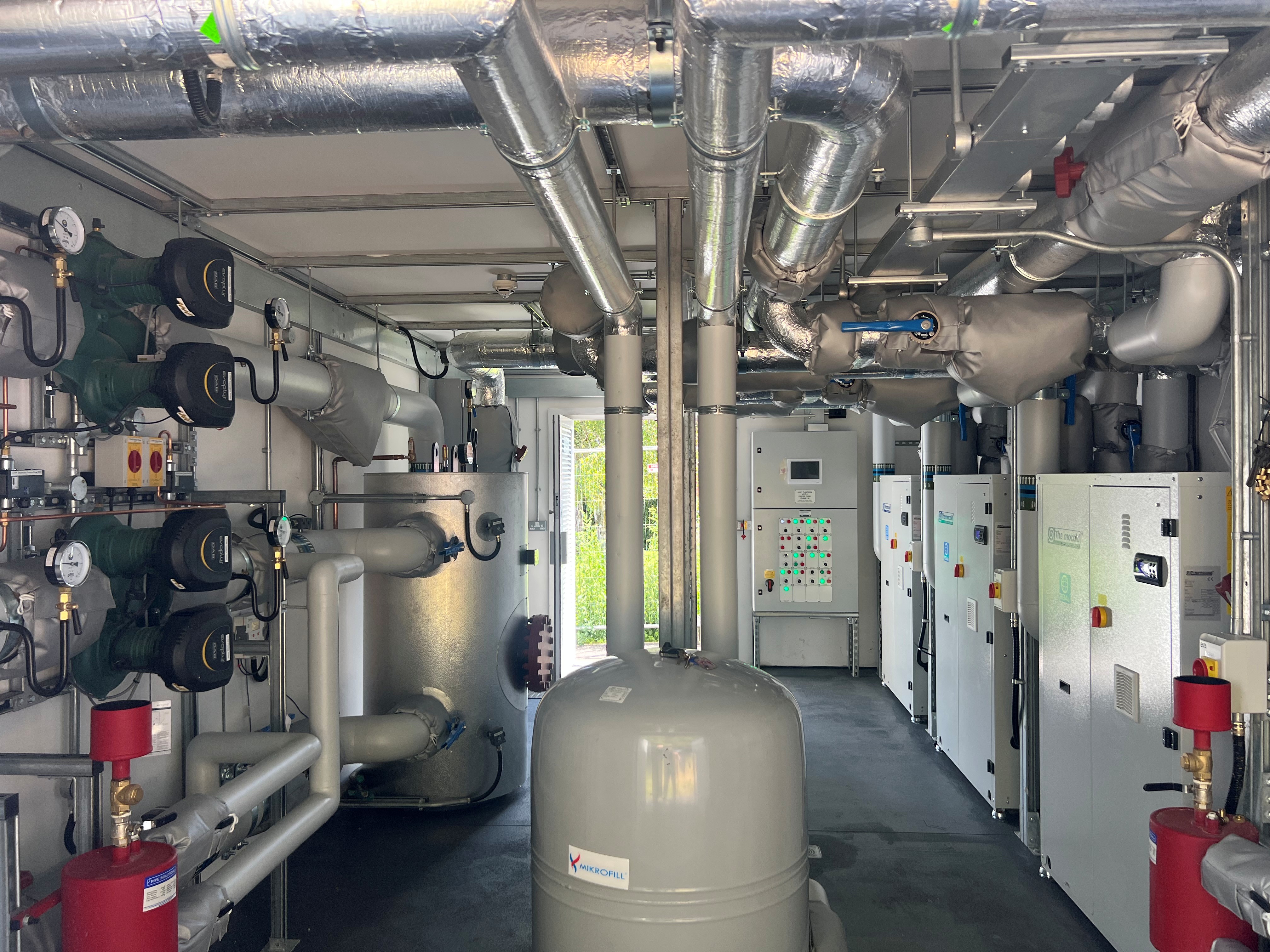
R290 Systems Delivering Up to 85°C for Domestic Hot Water, Process Heat and Legionella Compliance
Commercial Hot Water Generation with High-Temperature Heat Pumps
Hot water is the forgotten challenge in commercial decarbonisation. Most conversations about heat pumps focus on space heating, yet in many commercial buildings, domestic hot water (DHW) represents a significant proportion of total thermal demand. Hotels, hospitals, care homes, leisure centres and student accommodation all require large volumes of hot water at temperatures high enough to satisfy legionella compliance requirements, typically 60°C at the point of use with pasteurisation cycles reaching 70°C or above.
This is where many conventional heat pump systems fall short. Standard air source units designed for space heating at 45°C to 55°C cannot reliably generate water at the temperatures required for safe commercial DHW production. At ICG Heat Pumps, we specialise in high-temperature heat pump solutions that solve this problem directly. Our R290 systems from Midea and Euroklimat deliver flow temperatures up to 85°C, making them fully capable of meeting commercial hot water demands without the need for supplementary electric immersion heaters or back-up boilers.
We always recommend using a seperate heat pump for DHW rather than using the same system being used for space heating. Space heating heat pumps should always be weather compensated for best efficiency. DHW needs to be maintained at 60°C and so always needs a high flow temperature. Using one heat pump to do heating and DHW results in neither being done efficiently.
We always recommend using a seperate heat pump for DHW rather than using the same system being used for space heating. Space heating heat pumps should always be weather compensated for best efficiency. DHW needs to be maintained at 60°C and so always needs a high flow temperature. Using one heat pump to do heating and DHW results in neither being done efficiently.
Domestic hot water engineering
Why Hot Water Demands a Specialist Approach
Understanding Real Life Demand
When it comes to DHW and heat pumps, there is no one size fits all solution.
The most suitable solution will depend on a number of things: is there high or low demand, is the useage fragmented or constant?
When it comes to an existing building, there is no better way to understand your demand than metering your current hot water use.
For a new building we can estimate this by understanding the number and type of outlets and the knowing how thew building will be used.
Once the demand/useage profile is known, we need to decide if we are going for a system which stores water or heats it instantaneously.
Stored systems suffer from standing heat losses and have to be maintained at 60degrees to satisfy legionalla legislation.
Instantaneous systems use plate heat exchangers to directly heat incoming cold mains water, legionella legislation requires water to be delivered at 55degrees and so requires a lower water temeprature from the heat pump allowing better efficiency.
Generally we recommend R290 heat pumps for DHW applications.
For applications with high and fragemented demand (like hotels) we may recommend a C02 heat pump.
There is a much greater cost to pay for a C02 heat pump system and so the application must be one which allows good efficiency.
The most suitable solution will depend on a number of things: is there high or low demand, is the useage fragmented or constant?
When it comes to an existing building, there is no better way to understand your demand than metering your current hot water use.
For a new building we can estimate this by understanding the number and type of outlets and the knowing how thew building will be used.
Once the demand/useage profile is known, we need to decide if we are going for a system which stores water or heats it instantaneously.
Stored systems suffer from standing heat losses and have to be maintained at 60degrees to satisfy legionalla legislation.
Instantaneous systems use plate heat exchangers to directly heat incoming cold mains water, legionella legislation requires water to be delivered at 55degrees and so requires a lower water temeprature from the heat pump allowing better efficiency.
Generally we recommend R290 heat pumps for DHW applications.
For applications with high and fragemented demand (like hotels) we may recommend a C02 heat pump.
There is a much greater cost to pay for a C02 heat pump system and so the application must be one which allows good efficiency.

.png)




Legionella Compliance
In any commercial building where water is stored, legionella risk management is a legal requirement under the Health and Safety at Work Act and the Approved Code of Practice L8. The bacteria thrive between 20°C and 45°C, which means stored hot water must be maintained at 60°C or above, and pasteurisation cycles must reach at least 70°C. A heat pump that maxes out at 55°C simply cannot meet these requirements without supplementary heating. Our systems can.

Peak Demand Profiles
Commercial hot water demand is rarely steady. A hotel experiences a sharp morning peak as guests shower simultaneously. A hospital requires consistent high-volume DHW across wards, kitchens and laundry facilities. A leisure centre with swimming pools and changing rooms generates demand patterns that bear no resemblance to an office building. Each application requires careful system sizing and buffer strategy to ensure the heat pump meets peak demand without oversizing for baseload.

Storage or Instantaneous Heating of DHW
Stored systems suffer from standing heat losses and have to be maintained at 60°C to satisfy legionalla legislation.
Instantaneous systems use plate heat exchangers to directly heat incoming cold mains water, legionella legislation requires water to be delivered at 55degrees and so requires a lower water temeprature from the heat pump allowing better efficiency.
Instantaneous systems use plate heat exchangers to directly heat incoming cold mains water, legionella legislation requires water to be delivered at 55degrees and so requires a lower water temeprature from the heat pump allowing better efficiency.
Hot water engineering
Our Hot Water Solutions
.png)
C02 Heat Pumps For High Demand
For buildings where hot water is the primary thermal load, such as hotels, leisure centres, care homes and student accommodation. C02 heat pumps should be considered.
C02 heat pumps, can heat water to high temperatures while achieving SCOPs in the region of 3.5. In order to deliver this level of efficiency, the heat pump must always recieve return water at 31°C or less (C02 critical point).
This best lends itself to useage profiles with large peaks and then long periods of downtime.
These conditions are not present in many applications but when they are, C02 will offer far superior carbon savings and running costs.
C02 heat pumps, can heat water to high temperatures while achieving SCOPs in the region of 3.5. In order to deliver this level of efficiency, the heat pump must always recieve return water at 31°C or less (C02 critical point).
This best lends itself to useage profiles with large peaks and then long periods of downtime.
These conditions are not present in many applications but when they are, C02 will offer far superior carbon savings and running costs.


R290 Heat Pumps for Low and Moderate Demand
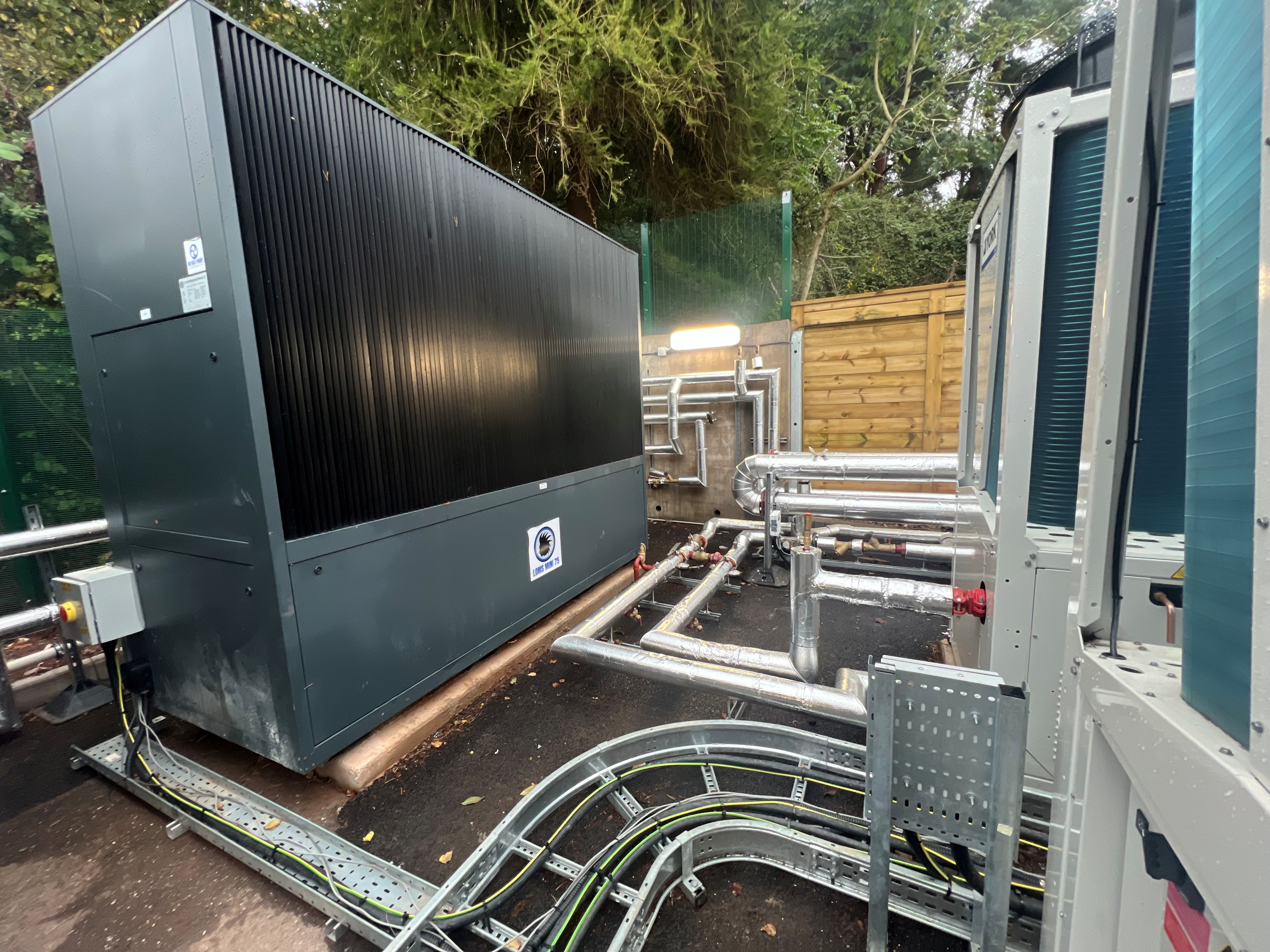
R290 heat pumps can heat as high as 85°C and are not reliant on return temperature for operation. Efficiencies are higher than with conventional HFC heat pumps and have a performance map which allows them to continually proide DHW at 60degrees at all UK climatic conditions.

DHW Via Heat Recovery From Cooling
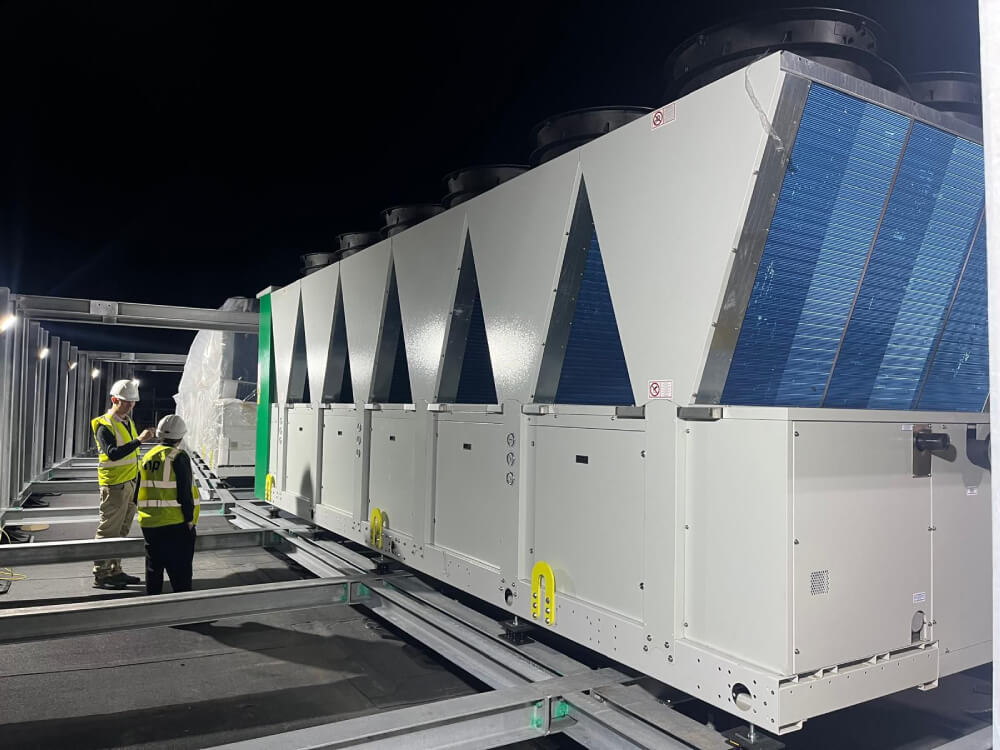
Buildings which require cooling offer a huge potential for producing low cost, low carbon hot water. The bi-product of cooling is heat. We can use R290 or R513a/R32 4 pipe and de-superheater heat pumps to produce hot water as bi-product of cooling.
In order to understand the benfits of this type of system, it is importnat to understand DHW, cooling load requirements and useage profiles.
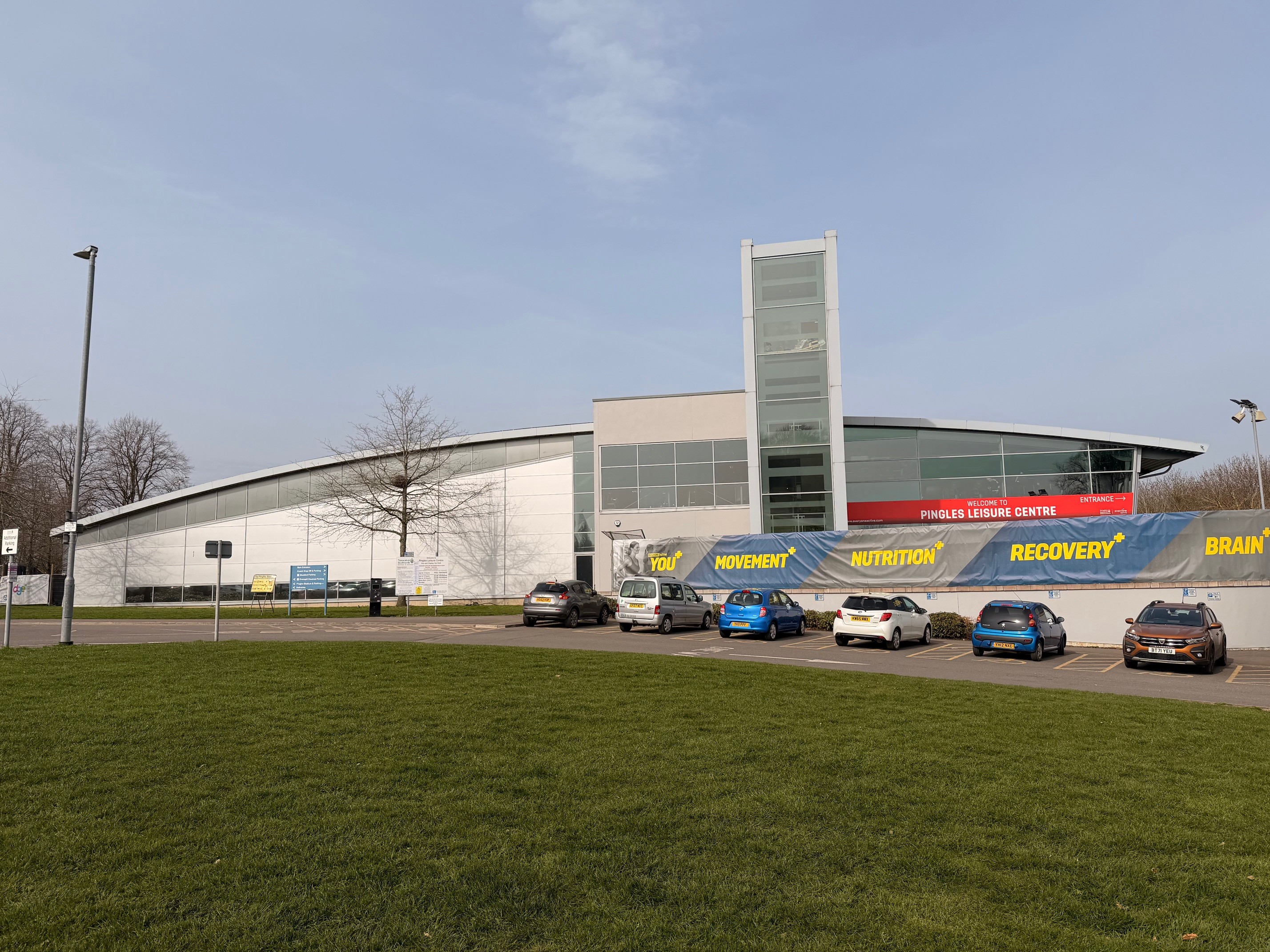
Leisure centres require cooling in gymnasiums while also neediing hot water for showers and swimming pool heating.
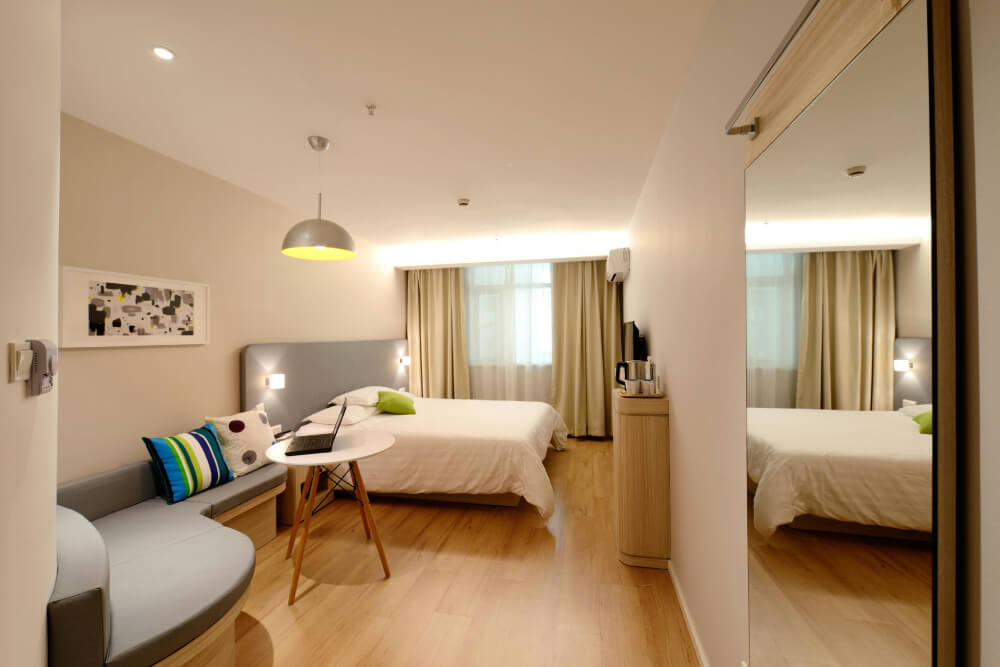
Hotels are cooling bedrooms while heating DHW.
If the application has a suitable cooling profile, DHW can be generated with no cost and no carbon footprint.
In order to understand the benfits of this type of system, it is importnat to understand DHW, cooling load requirements and useage profiles.
Leisure centres require cooling in gymnasiums while also neediing hot water for showers and swimming pool heating.
Hotels are cooling bedrooms while heating DHW.
If the application has a suitable cooling profile, DHW can be generated with no cost and no carbon footprint.
High-demand sectors
Sectors with High Hot Water Demand
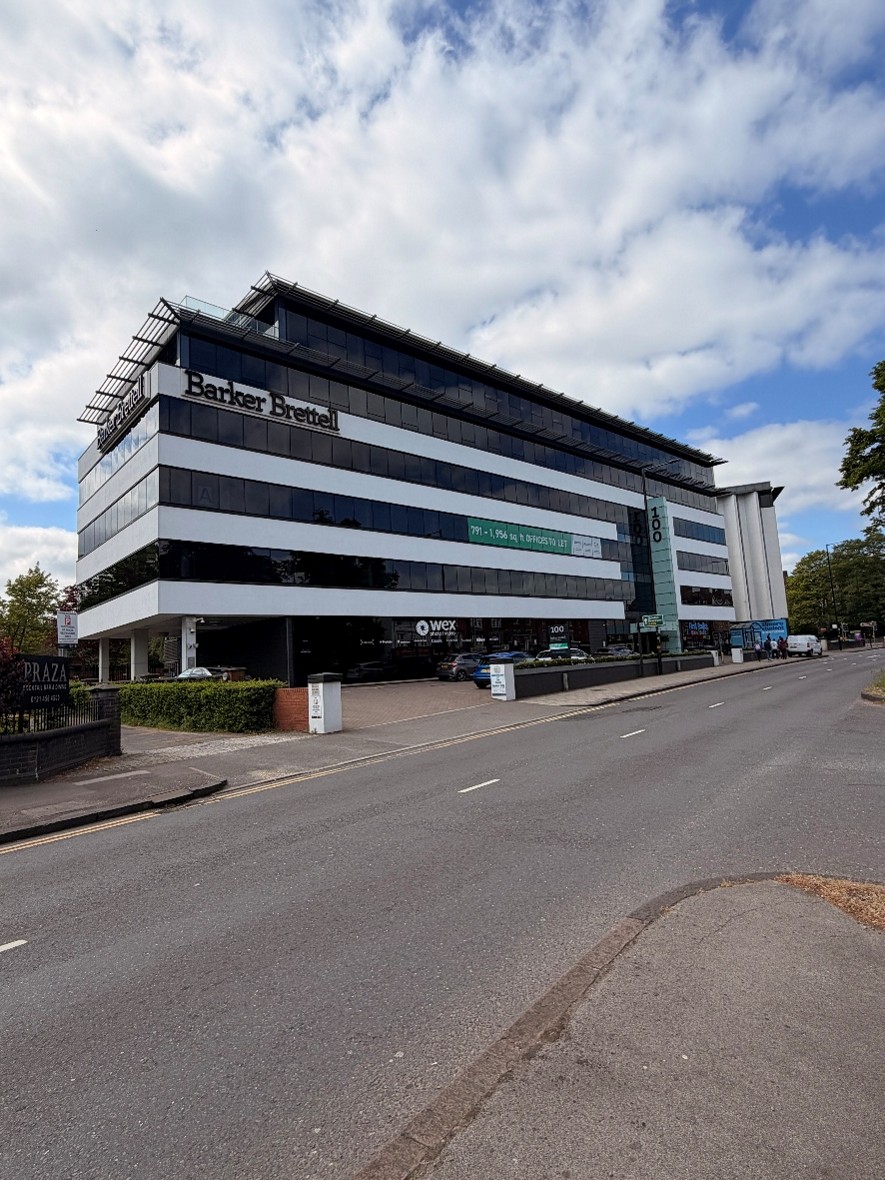
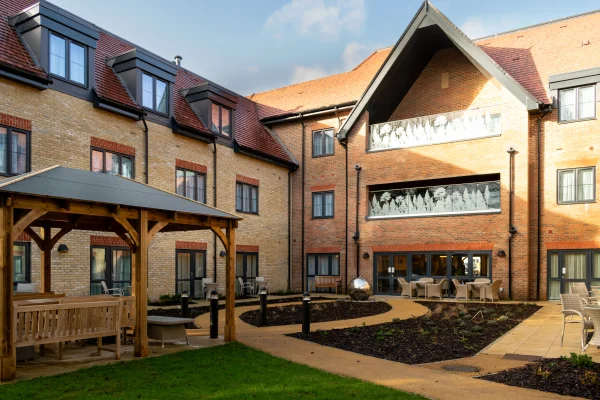
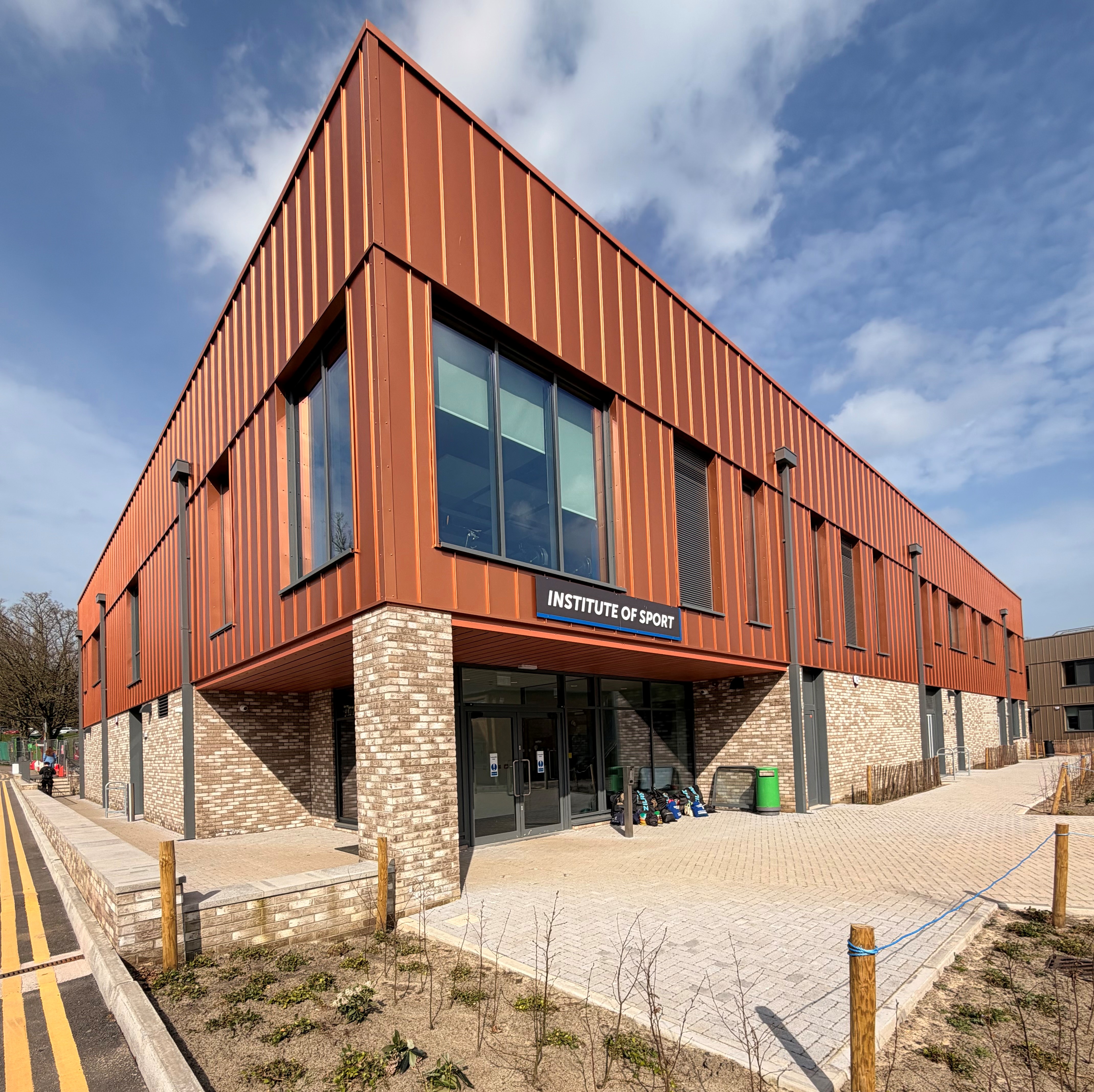
Our commercial hot water solutions are deployed across hotels, guest houses and serviced apartments, NHS hospitals and primary care facilities, care homes and sheltered housing, student accommodation and university halls, leisure centres, swimming pools and sports facilities, commercial kitchens and food production facilities, and laundry and cleaning operations.

Office developments

Leisure Centres


Student Accomodation

Care Homes

Hotels

Sports Education
Testimonials
Reliable High-Demand Performance
"Trevor attended site to go through the ASHPs’ operation, how the units work and what heating outputs they can provide, we’re operating with low temperatures ( 35°C F / 30°C R) however Trevor explained that the units can provide much higher heating outputs if required. Trevor was also very thorough when explaining the system and how to use the master controller, taking his time to answer fully any questions asked by the school’s estates team."
Ross Mcintosh, T Clarke
Take the Next Step
Ready to Discuss Your Project?
Contact our engineering team to request a technical consultation, a compliance pack or a system design review.

Commissioning To Fit Your Time Scale
Rapid On-Site Response
Remote Monitoring